


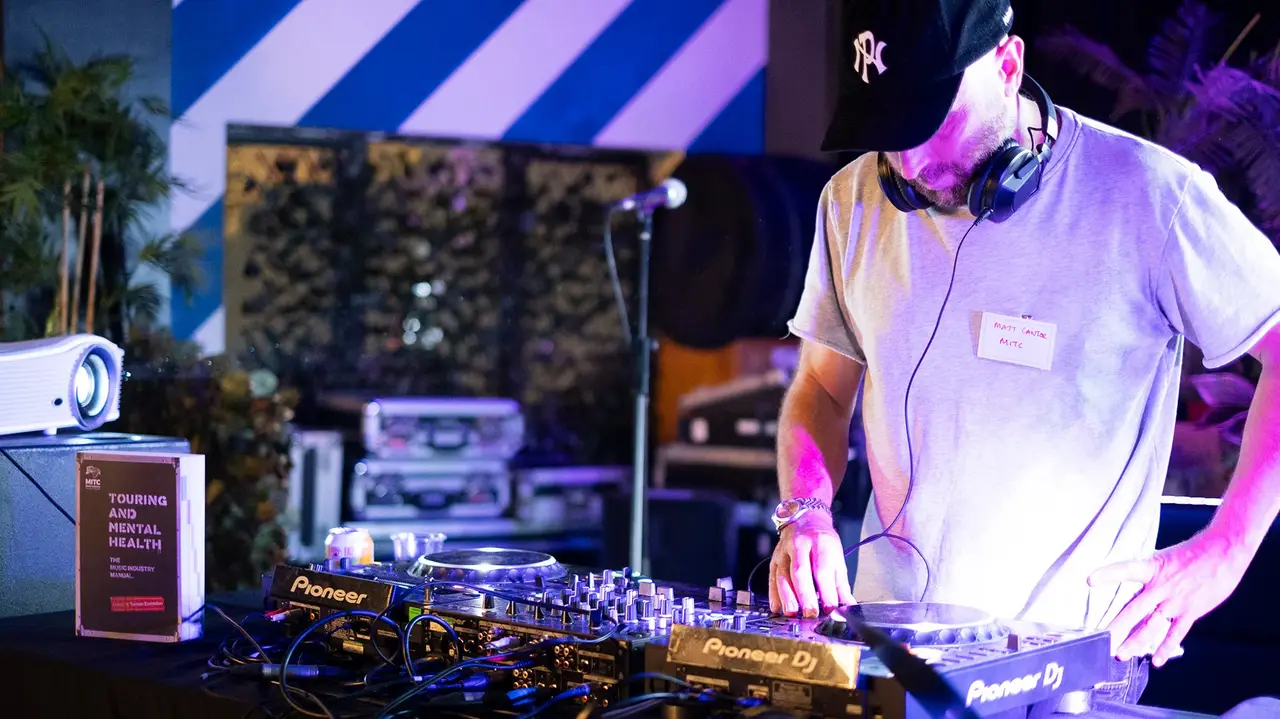
Touring can be exhilarating, but the intensity of the work leaves many crews and managers carrying pressures they were never trained to handle.
For touring professionals, life on the road can bring community, purpose and the satisfaction of delivering a great show. It can also mean long days, broken sleep, relentless travel and weeks away from home. Even when surrounded by people, touring can be lonely: family life continues at a distance, while everyday problems are difficult to solve across time zones and packed schedules.
On small- and mid-scale tours, responsibility for keeping both the production and the people moving often falls to tour and production managers. Lean teams and tight budgets mean they may be juggling several roles at once. They are also frequently the first person a crew member approaches when something is wrong.
Most managers care deeply about their teams, but many say they do not have the training or expertise to respond to every personal difficulty. With no HR department, Occupational Health function or senior leadership to consult, they need support too.
Support before problems escalate
That is why d&b audiotechnik is supporting MITC’s Pay It Forward program. Since September 2026, Pay It Forward has offered eligible small- and mid-scale touring teams free access to confidential, independent specialist support. Crew members can talk through difficulties before they become crises, while managers gain experienced people to consult and a clear place to direct colleagues who need more help than they can provide.
Tamsin Embleton, who leads the program, says it is designed for both touring leaders and their teams. The package includes a 90-minute occupational health consultation, a Healthy Touring workshop, ten confidential online Tour Check-Ins available around the clock in several languages, practical resources and access to the audiobook Touring and Mental Health: The Music Industry Manual.
The consultation gives managers time to identify pressure points with someone who understands the touring environment. As Embleton puts it, "Managers bring their knowledge of the production; MITC brings our knowledge of how best to support people under pressure.”
Tour Check-Ins offer individuals a private space with a qualified practitioner who understands music and touring. No diagnosis, referral or previous experience of therapy is needed. The service can also signpost people towards longer-term help where appropriate.
What touring professionals say they need
With almost three decades in the industry, Deep Purple audio engineer and d&b touring manager Tobias “Tobi” Hoff understands both the appeal and the strain of life on the road. Working days can stretch to 18 or 20 hours, he says, leaving little space to step back and consider the impact.
For Tobi, technical skills and competence is only part of the job. Touring also means living alongside others for weeks, with little privacy and limited opportunity to leave workplace tensions behind. “You don’t have to be close friends with everyone,” he says. “But you need a positive, professional way of getting along.”
That makes good leadership essential. People need to know that concerns will be heard, respectful behavior is expected and different conversations have appropriate routes.
Independent support from MITC adds another route. It allows someone to discuss homesickness, conflict, unhealthy coping habits or the simple fact that a tour has become harder than expected, without speaking first to a person who they know may also decide whether or not to hire them again.

Making room without stopping the show
Tobi's own approach to his job changed when he became a father. He arranged for another engineer to cover parts of longer tours so he could spend more time at home while making each handover seamless. Although the arrangement worked, and despite his considerable experience, he still worried that asking for flexibility might make him seem inconvenient or make him less secure in his role.
He now reframes an old touring maxim: not “the show must go on”, but “the show will go on”. Planning cover allowed the production to seamlessly continue while making room for his family life. He believes an independent conversation with someone outside of the tour at the time could have saved him considerable soul-searching.
For d&b audiotechnik, supporting Pay It Forward extends a culture of mutual care into the wider touring community. Welfare support should be visible wherever engineers already gather, including technical training and industry events. For Tobi, learning how to sustain a career deserves proper space alongside learning how to deliver a show.
Touring professionals already carry a great deal of responsibility. Giving managers access to experienced practitioners and giving crew members somewhere confidential to turn, is one practical way to share the load.
Find out about eligibility and apply for Pay It Forward support. Applications are open internationally and assessed according to need and available funding.


